Editing and proofreading
Professional editing for content that's accurate, consistent and in line with your branding
Types of projects I work on at any stage of editing
Public-facing information, where accuracy, plain language and clear messaging are central to effective communication.
Examples include public health guidance, patient information, campaigns and case studies.
Research and policy communications, for which accuracy, consistency and clear presentation of complex evidence are key elements for both specialist and non-specialist audiences.
Examples include policy briefs, impact reports, case studies, research highlights and annual reports.
Academic health research publications, which require a strong focus on precision, consistency and adherence to style guidelines, ensuring research is presented clearly and in line with academic standards.
Examples include journal articles, book chapters and edited collections.
Education resources for healthcare professionals, where ensuring content has the clarity, flow and audience-appropriate tone is key to developing effective learning resources.
Examples include online learning modules.
Clients I work with
My clients include health research organisations, publishers, universities and charities, working mainly on projects that promote research, evidence, current practice and public understanding.
With more than two decades of editorial experience, I bring insight and commitment to health communication to every project. Clients trust me to shape and refine their content, and I work with them to deliver clear, effective communications tailored to their audiences.
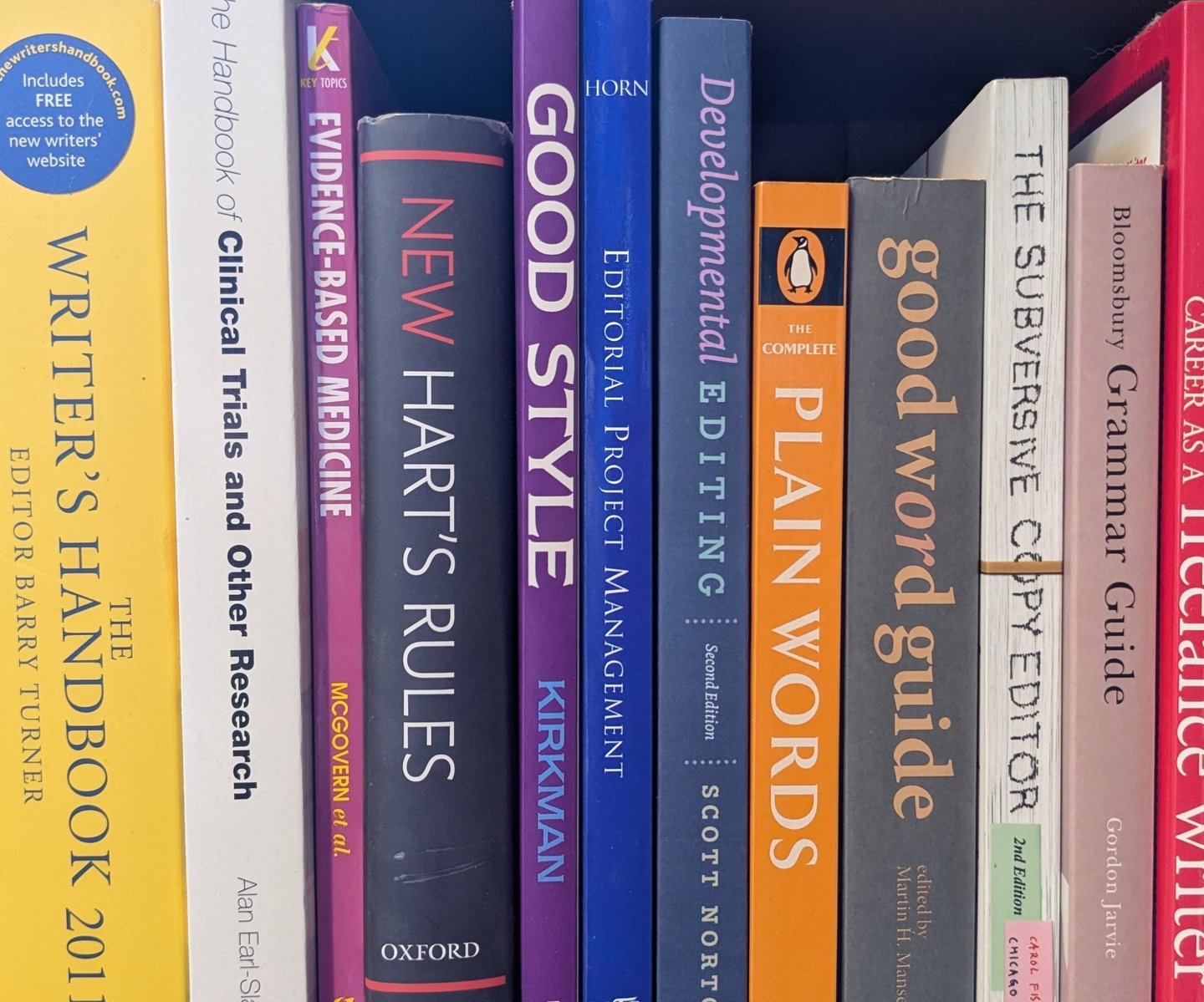
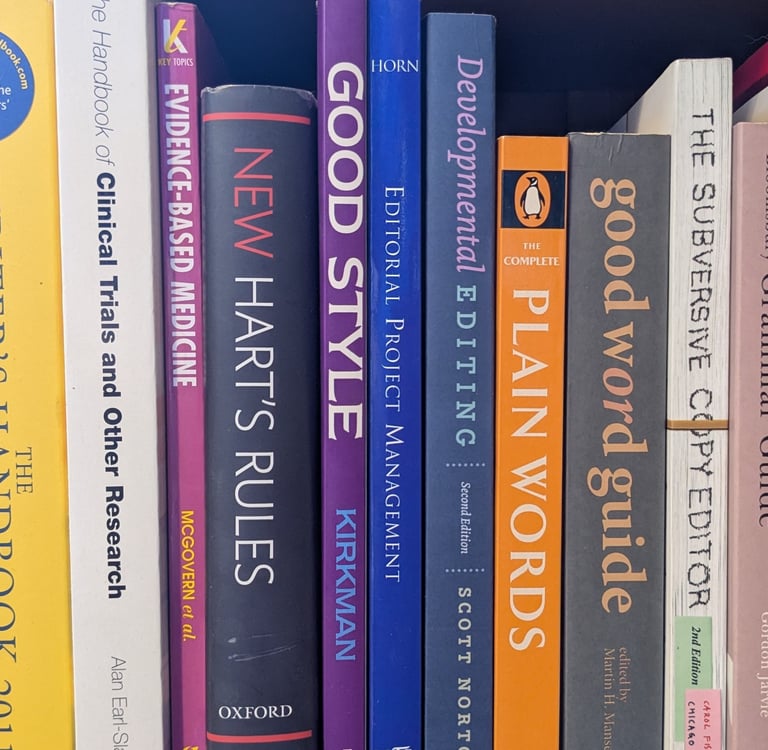
Expert editing –
clear communication
A professional editor turns good writing into clear, confident and credible communication, so your message makes the impact you intend.
Alongside my professional editorial training, I bring:
Professional-level membership of the Chartered Institute of Editing and Proofreading
experience in health research communications, publishing and medical education
experience in plain language principles
an academic background in biological sciences and public health
Are you ready to discuss your project?
"Thanks to your suggestions, our messaging is so much clearer and feels properly aligned with our organisation's direction."
Project manager
I provide different forms of editing, depending on your needs and the stage of your content:
If you need help developing your content from scratch, please head to my content writing page for more information or get in touch to discuss your project.
Health and scientific content affects real people and guides life-changing clinical decisions, so clarity and accuracy matter. Professional editing helps communicate your ideas clearly and accurately, helping to build trust in you, your content and the publication.
I specialise in editing health and medical projects, working across all therapeutic areas from genetic mutations through to diabetes and mental health. My aim is to help complex health and science content make sense and make an impact.
What type of editing does your project need?
Copyediting
Clarity and flow: shaping sentences so the writing is clear and easy to read, without altering the author's voice.
Consistency: checking terminology, abbreviations, tone and formatting throughout.
Style: applying appropriate style guidelines.
Accuracy: addressing errors, unclear phrasing and inconsistencies in facts and details.
Grammar and usage: checking spelling, punctuation and usage issues is correct and aligns with the preferred style.
References: ensuring in-text citations match the reference list and any references are correctly formatted.
Audience and readability: ensuring the content is clear, engaging and appropriate for the target audience.
Raising appropriate queries: highlighting areas of ambiguity, potential sensitivity or copyright concern.
I offer different types of copyediting, depending on the purpose of the text, audience and type of publication.
Copyediting is the core editorial service for complete, final drafts. If your content would benefit from a more specialised focus, I also offer:
Typical documents that I copyedit:
patient information
research reports
evidence summaries
medical news articles
continuing medical education content
textbook chapters
conference proceedings
feature pieces
commentaries and editorials
Inconsistencies, factual errors and unclear phrasing can appear anywhere in written content, no matter how conscientious the author.
Once you add multiple reviewers' changes, additional diagrams or repurpose text from one resource to another, there are countless ways for mistakes to creep in. As medical and scientific content often contains complex ideas, research findings or nuanced evidence too, such mistakes could seriously undermine the credibility and impact of your work.
Professional copyediting catches these issues with a detailed review of your content that focuses on improving its clarity, consistency and accuracy. By refining language, correcting grammar and formatting structure, it ensures your content is appropriate and accessible for your audience. It also ensures that technical terms, drug names, units of measurement, statistics and references are accurate and consistently presented.
With an academic background in biology and many years' experience in health communications and publishing, I'm well positioned to support your project and ensure your content is accurate, clear and ready to meet your audience's needs.
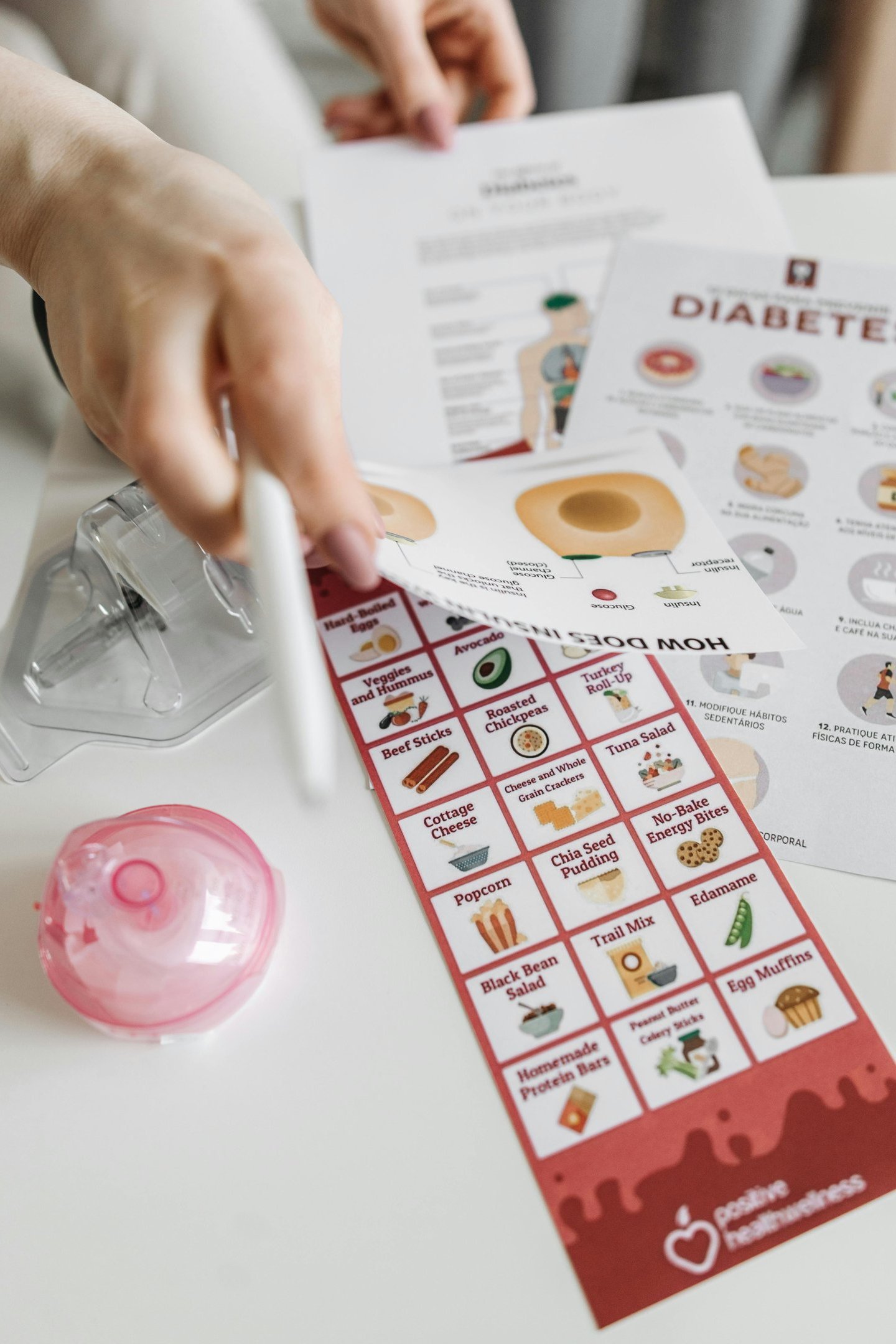
Professional copyediting turns good writing into clear, confident and credible communication, so your message makes the impact you intend
Standard copyediting doesn't include research for fact checking, but this can be carried out as a separate service if you need it.
Copyediting is carried on the final draft of the text, when any major changes to the content or its organisation have already been made.
If your content needs more work to reorganise sections, develop its key arguments or improve flow between chapters, it may benefit from structural editing before copyediting.
More details on my structural editing service can be found below.
During copyediting, I'll check and address a range of elements.
What type of copyediting does your project need?
Plain language editing
I deliver clear, audience-focused health editing guided by plain language and health literacy best practice.
I have additional training in health literacy and plain language use, including:
Professional membership and training with the Chartered Institute of Editing and Proofreading
elearning for healthcare – health literacy training
Plain Language Commission – plain language writing and editing
Plain English Campaign course
I apply the appropriate principles and standards to all copy and materials, and am familiar with NHS and Patient Information Forum guidelines. I handle all NHS and healthcare content securely, in line with UK GDPR requirements.
Promoting knowledge and health literacy with plain language editing
Turning content into communication with plain language editing
You want your content to reach the people who need it most. But more than just reach them, you need it to be understood too. I create clear, accessible health information that meets NHS and public health standards, helping patients and the public understand complex topics with confidence.
Typical content that I edit for plain language:
patient guides explaining treatment options or medications
educational articles on complex topics like genetics, mental health or nutrition
public health information
repurposing existing text for a different audience
clinical guidelines that need clear hierarchy, flow and consistency
research summaries or reports intended for both professionals and the public
website pages for clinics or health services with mixed audiences
internal communication documents, such as policy updates
What plain language editing involves
A plain language edit focuses on making content clear and accessible, so your audience can quickly find and understand what they need. Guided by health literacy principles, it's particularly valuable for health content intended for patients, caregivers or the general public.
By simplifying medical terminology, clarifying instructions and improving structure, editing makes complex information easier to understand. This approach helps more people make informed decisions about their care and reduces the risk of misunderstanding.
Types of public-facing content that benefit from plain language editing include patient information leaflets, public health resources and educational materials for patients and caregivers.
Get in touch to discuss your project
A plain language edit will review and address several elements to improve clarity.
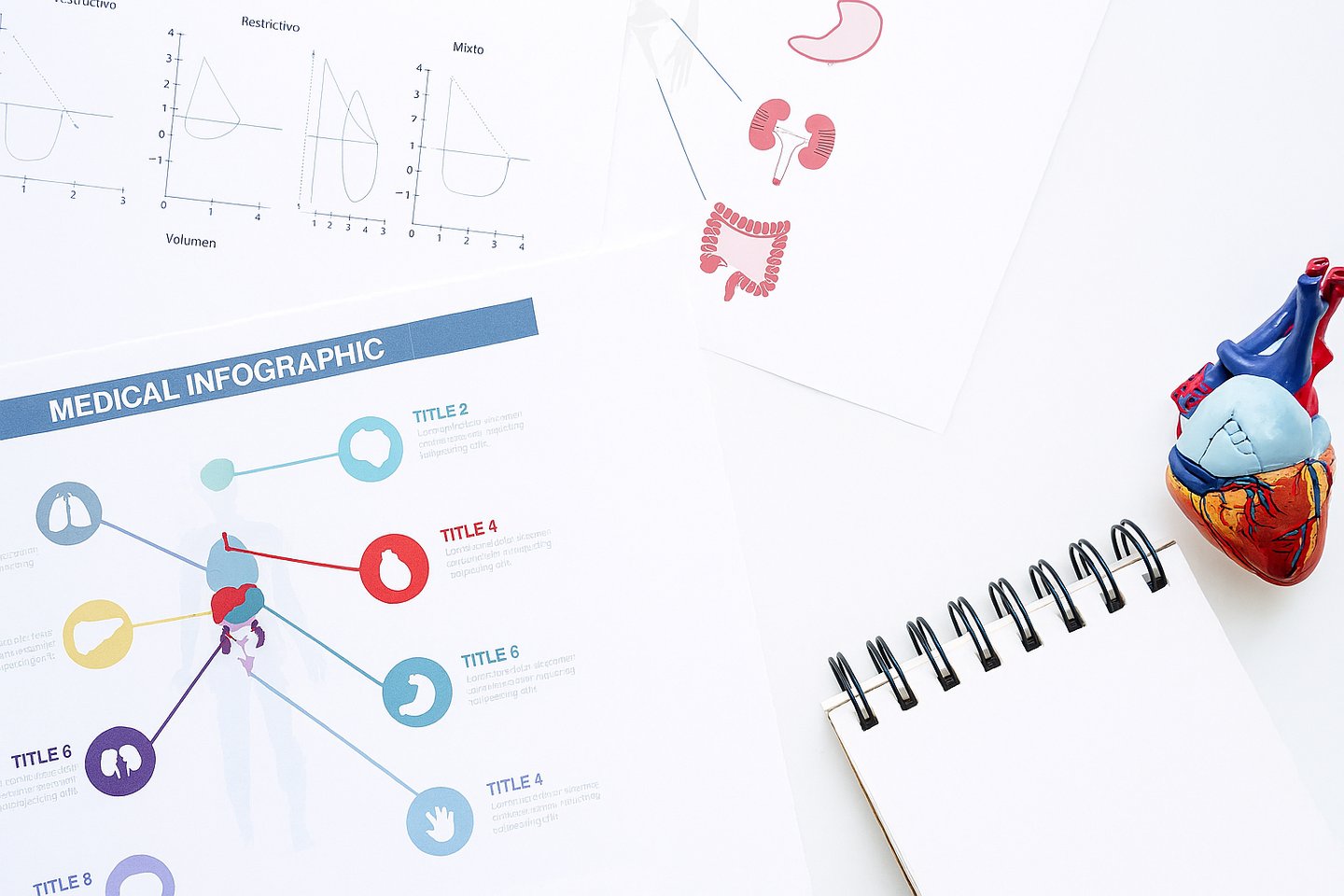
Back to the top
Plain language editing isn't only for public-facing resources. It plays an important role for health professionals too, improving knowledge and patient care by making medical documents and clinical communications clear and easy to follow.
Examples include clinical guidelines, training manuals and documents using specialty-specific terminology that limits understanding and teamwork between healthcare teams.
Audience focus: shaping content around what readers need to know and how they’ll use the information.
Structure: organising information in a clear, logical order.
Language: replacing medical terminology and complex phrasing with plain, direct language.
Sentence length: breaking up long or dense sentences for easier reading.
Purpose: making key messages easy to find and understand.
Accessibility: improving readability for non-specialist and mixed audiences.
Academic and medical research editing
Academic and medical research copyediting is specialised editing for journal articles and research outputs and other scholarly content, ensuring clarity, precision and adherence to style guidelines.
I specialise in academic and clinical healthcare research, with strong experience in public and population health research. Drawing on my in-house editorial experience in learned journal and book publishing, I work closely with researchers and healthcare professionals to refine their manuscripts, improve clarity and structure, and ensure their findings are communicated clearly and confidently.
I've worked with many leading clinical and research professionals in the UK and internationally, supporting individuals and organisations in producing clear, focused and timely content. I also support authors for whom English is a second language, helping ensure their research is presented clearly and effectively.
Typical content that I edit:
research summaries
research articles
evidence summaries
policy and public health documents
continuing medical education materials
conference proceedings
book chapters
I don't edit theses or dissertations.




Expert editing for researchers and healthcare professionals, helping to communicate your findings clearly, accurately, and effectively
Clarity and flow: improving the flow so arguments, methods and findings are clearly presented.
Language and tone: refining academic language while preserving the author’s voice and discipline-specific conventions.
Consistency and precision: ensuring consistent terminology, style and notation throughout the manuscript.
Technical accuracy: reviewing tables, figures, references and citations for clarity and consistency.
Journal style guidelines: aligning the manuscript with academic or journal style guidelines.
Reader focus: making complex research easier for reviewers and readers to follow without oversimplifying the content.
Contact me for editing services
What academic and medical research editing involves
Back to the top
Academic and medical research copyediting builds on the principles of standard copyediting while addressing the specific demands of scholarly writing.
In addition to refining grammar and style, it involves familiarity with research structure, discipline-specific terminology, and academic conventions. This includes ensuring consistency in methods and results, checking references, tables and figures, and supporting alignment with journal or institutional guidelines.
The edit will address a number of elements.
Structural editing
Shaping early-stage content into effective communication, so audiences hear your message, not just read the text
Health and medical content isn’t just about accuracy, it’s also about clarity, flow and accessibility. Even the most well-researched material can fail to engage readers if it’s poorly organised or hard to follow. Structural editing (also called developmental editing) ensures your content communicates effectively, guiding readers through complex health topics so they hear the message, not just see the text.
What structural editing involves
My structural editing service focuses on the big picture, helping your content take shape while it’s still in development. I consider its overall organisation, flow and purpose and provide feedback on areas that need restructuring, clarification or enhancement. I can help you organise your ideas, refine your message and ensure it's appropriate for your audience. Much like arranging a puzzle, I'll help you fit each piece into its right place so your content forms a complete, engaging resource.
Typical content that benefits from structural editing:
patient guides explaining treatment options or medications
textbooks and multi-author chapter books
educational articles or guides
clinical guidelines that need clear hierarchy, flow and consistency
research summaries or reports for professionals or the public
website pages for clinics or health services
internal communication documents, such as policy updates


Messaging: making sure the main ideas are clear, logical and well supported.
Structure and flow: checking that chapters or sections are structured correctly, are appropriately balanced and flow cohesively from one to the next.
Presentation: suggesting ways for clearer presentation of content.
Audience: ensuring the content meets the needs and expectations of your intended readers.
Missing content and repetition: flagging missing information, repetition or areas that need expansion.
Back to the top
Contact me for editing services
During a structural edit, I'll review and address elements that form the foundation of your content.
Structural editing doesn't include rewriting entire sections or carrying out additional research. It also doesn't include detailed copyediting for style, grammar or punctuation as this is most effective on the completed version.
Following a full structural edit I will provide:
full editorial report
margin/track changes comments
proposed reorganisation outline
suggested tools (tables/algorithms/flowcharts)
follow-up call
I can also provide standalone editorial reports if required.
Proofreading
Proofreading adds crucial value to any project, whether it's intended for the public, professionals or internal communications. Even after careful editing, text revisions and layout changes can introduce unexpected errors. In health and medical contexts, even small mistakes can alter meaning or cause confusion. Proofreading serves as the final editorial check for your content, ensuring it's clear, accurate and free of spelling, grammar and formatting errors.
What proofreading involves
During proofreading, your content is checked for small but important errors.
Delivering clear, error-free content that your audience understands and trusts
Back to the top
Consistency: checking for errors and inconsistencies in spelling, grammar and punctuation.
Terminology: correcting and ensuring consistent use of medical/scientific terminology and abbreviations.
Presentation: making sure numbers, units and data presentation are accurate.
Formatting: checking that the formatting of headings, tables, figures and references is consistent.
Clarity: ensuring sentence-level clarity without changing scientific meaning.
Style: ensuring proper use of style conventions.
Compliance: checking for compliance with professional and regulatory language as required.
Typical content that I proofread:
research summaries
research articles
evidence summaries
policy and public health documents
continuing medical education materials
conference proceedings
book chapters
I don't proofread theses or dissertations.
"Thanks so much for all your work and help with the journals. We'll definitely come back to you when more proofreading work arises."
Production Editor, academic publisher
Contact me for editing services
Pricing
My fees are tailored to reflect the scope, complexity and level of editorial intervention required for your project. We can agree a project fee, day rate, hourly rate or a rate per 1,000 words.
As a guide, editing rates start at £45 per hour, with a minimum project fee of £90 to ensure every project receives thorough attention.
I offer a sample edit of your content so you can see how I work and the kind of improvements I can bring before you decide to hire me. I charge a £60 fee for the sample edit, which is deductible from the final fee if you decide to work with me.
Proofreading rates start at £38 per hour, with a minimum project fee of £75.
Back to the top
Get in touch to discuss your project

Quick links
© 2025 - 2026. Jolene Drew Editorial. All rights reserved.
About